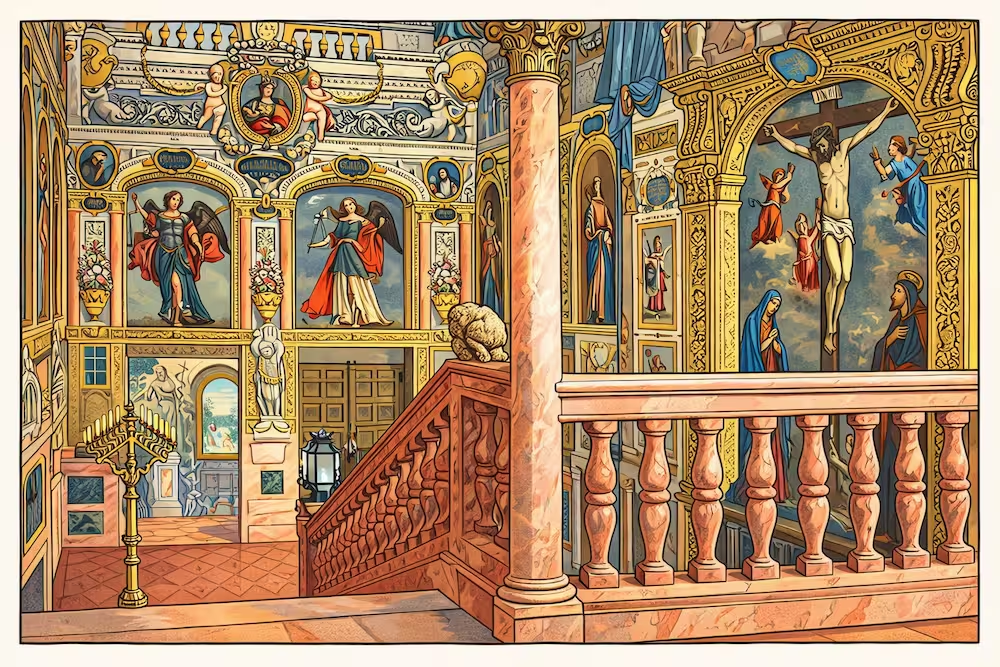
In the very heart of Madrid, steps away from the bustle of streets thronged with visitors to the shops and shopping centres that fill this part of the city, the sturdy facades of an old monastery stand out in sharp relief. Built in the Toledan style, with flint rubblework between brick string courses, these walls rise like an impenetrable fortress, seeming to shield from the daily commotion of a contemporary, consumerist and cosmopolitan city the rich world of contemplation, spirituality and sublime art that governs the lives of the Poor Clare nuns who dwell within. This is the Monastery of las Descalzas Reales.
The Oldest Door in Madrid
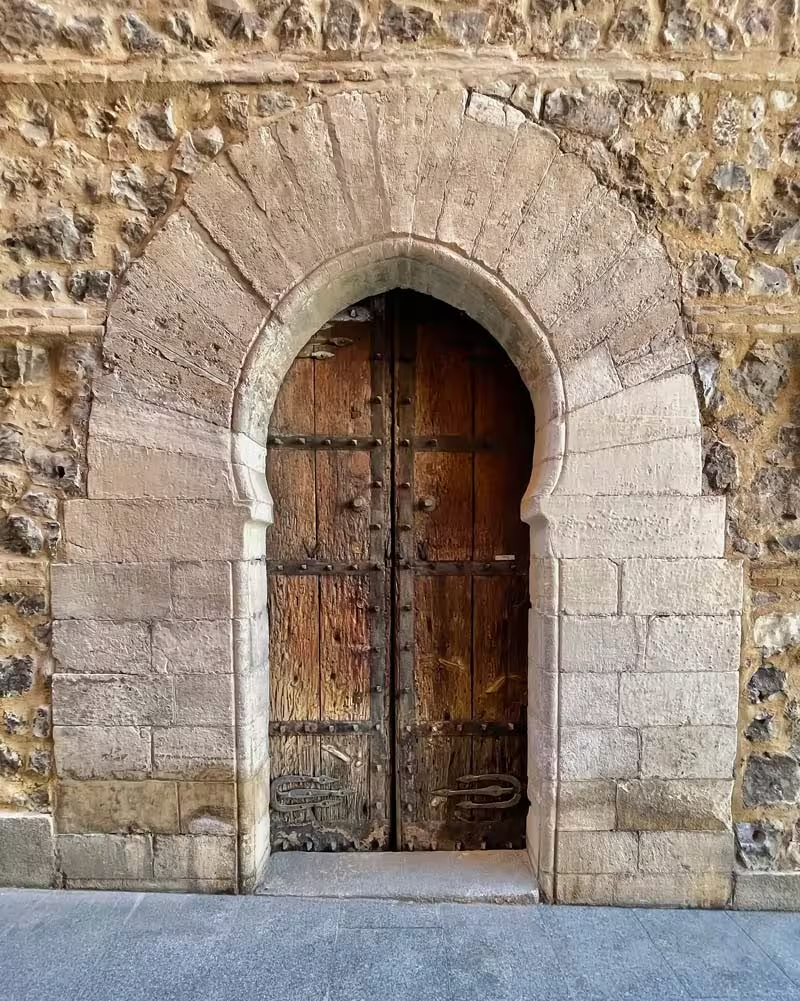
At the start of the Calle del Codo, in the heart of the Austrias neighbourhood and adjoining the Plaza de la Villa, stands the doorway of the Torre de los Lujanes. Framed by a horseshoe arch with stone voussoirs that still bear clearly visible stonemason’s marks, this doorway has traditionally been held to be the oldest in Madrid. Now, a study commissioned by the Real Sociedad Económica Matritense de Amigos del País has made it possible to establish the truth of that claim.
The History of the Almudena Cathedral
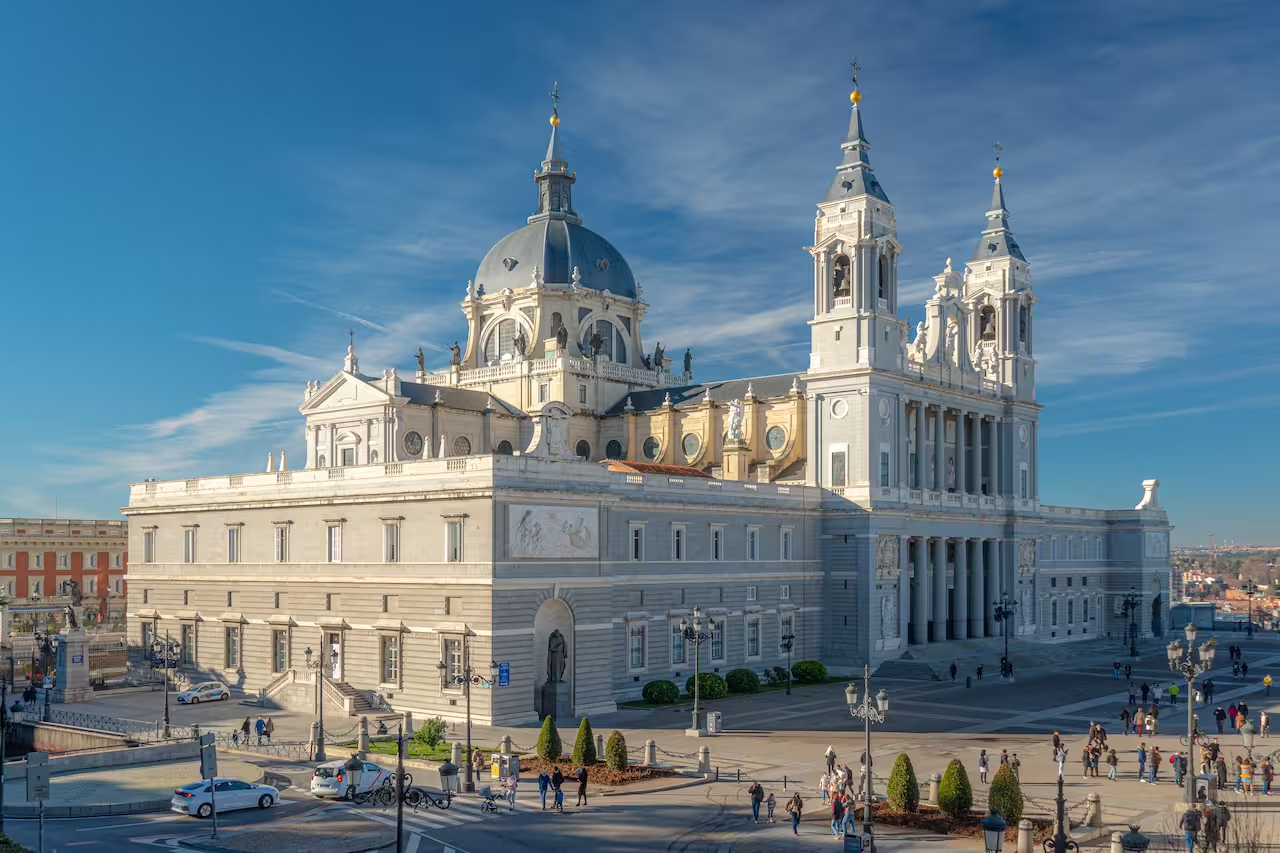
On 4 April 1883, King Alfonso XII presided over the ceremony in which the foundation stone was laid for a church that would eventually become the Cathedral of Santa María la Real de la Almudena. However, this event was not the beginning of the cathedral’s history, but rather one stage in a process that had been taking shape over several centuries.
That April morning in 1883, no one could have imagined the many obstacles that would hinder its construction over the years, including lack of funding and political upheaval. More than a century would pass from that foundation stone before the Almudena Cathedral became a reality, turning into a symbol of the city and of the history of Spain — a testament to perseverance and faith that endures to this day.
Night Music on the Streets of Madrid
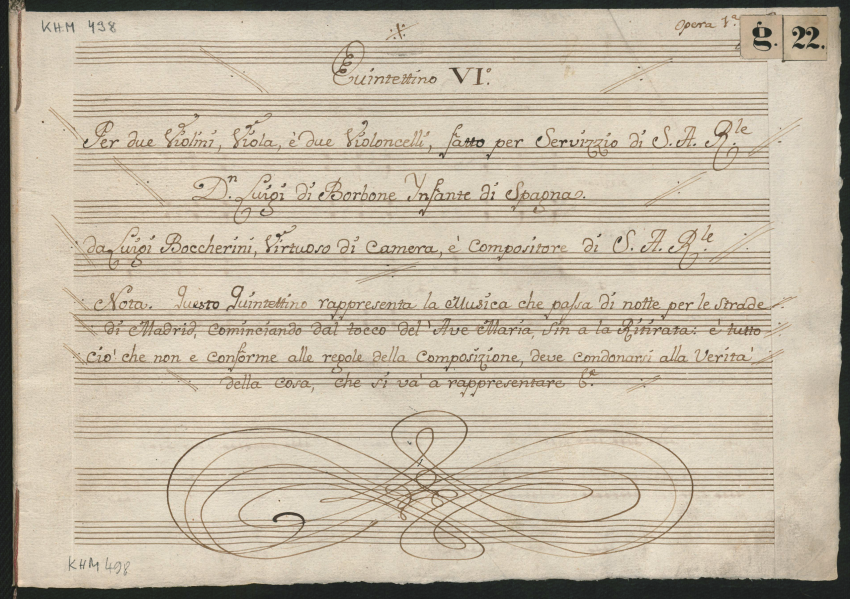
“This quintet represents the music that passes through the streets of Madrid at sunset, from the Ave María bell to the retreta… This piece is absolutely useless and even ridiculous outside Spain, as those who listen to it can never understand its meaning and the musicians cannot play it as it should be played“.
Luigi Boccherini
The houses of the Lujanes: News about their first occupants
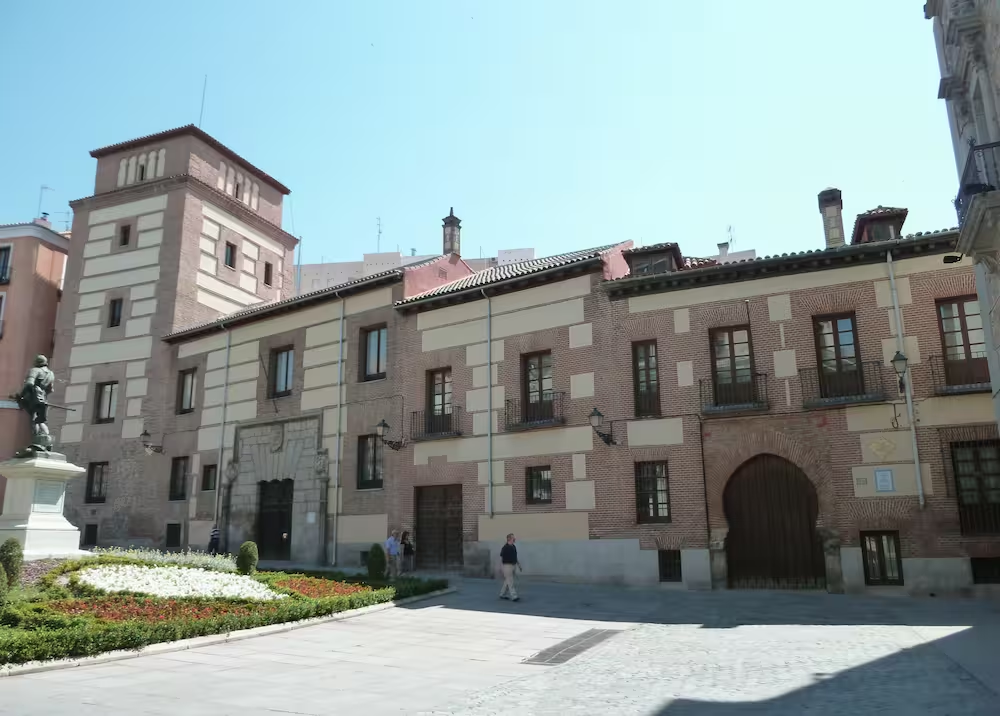
The houses and tower of the Lujanes, located in the ancient Plaza de San Salvador—today known as Plaza de la Villa—are the main hallmark of Madrid’s civil architecture from the medieval era, as this complex constitutes the only 15th-century palace-house preserved in Madrid.